Dangerous rivers, wild ideas and the 142 year wait.
I grew up on the banks of the river Severn. As kids we used to mess about at the old Aust Ferry landing, daring each other to walk out on the old rickety wooden pier which dangled above the raging river.
The River Severn has the 2nd fastest tide in the world, and is incredibly dangerous, but no one knew or cared where we were in the holidays. It was the early 90s (East 17 were number 1 in the charts for reference)
Look how safe it was…
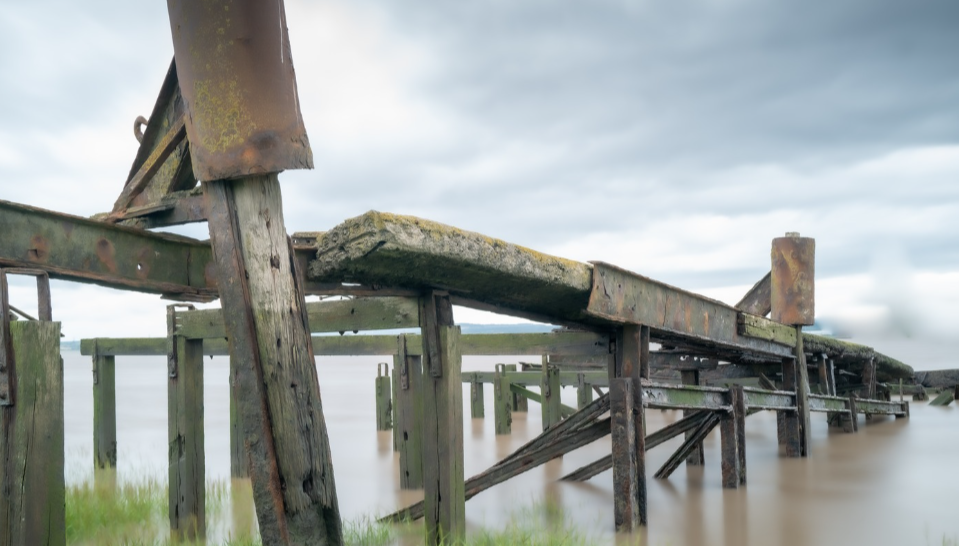
So safe.
People had been crossing the river from that spot there since the 12th century. The Monks of Tintern were number one in the charts back then, and they were the first ones to get permission to cross over.
It was treacherous, with many tales of lost vessels and crews who were never found. By the 1820s, there was a proper ferry service, but it was still risky, and many people were dying to get to Wales. Literally.
In 1824, someone thought there has to be a better way. That someone was a Scottish engineer called Thomas Telford (Beethoven was top of the charts at the time with Symphony no. 9 at the time. It was a good year for music).
Here is Thomas Telford drawing stuff. Looks like a tough day at the office...
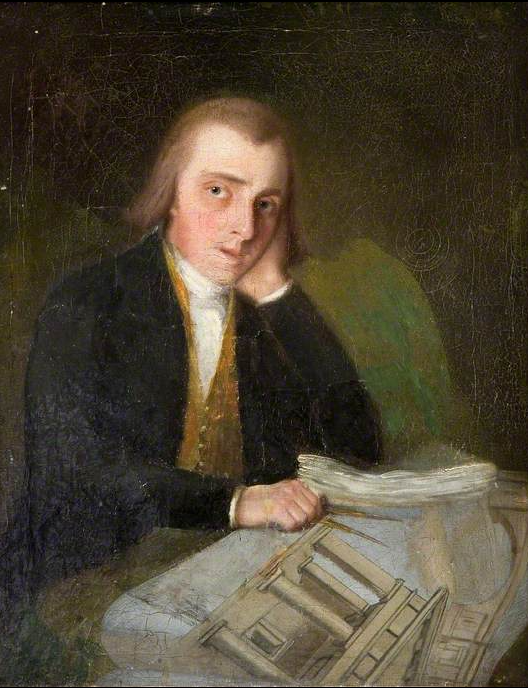
Tough day at the office for Tom. No coffee.
Thomas had some guts. He once stood in a meeting somewhere, and bravely said “I want to build a bridge connecting England and Wales”. A super awkward silence followed (I reckon).
The board said something like “no thanks Tom, we don't need one, we prefer railways”. So they built a railway bridge a few miles down the road instead. Railways were cool back then.
Dangerous river boat crossings continued, with 2 famous ferry sinkings in 1839 and 1844. No survivors. 15 years later the Aust Ferry stopped running.
Then cars became a thing (who saw that coming eh? Umm Tom did). With no bridge, the Aust ferry came back to life again in the 1920s (Louis Armstrong was top of the charts).
The car craze became even more of a thing, but the ferry was still risky and slow. Demand grew. Here are a bunch of cars waiting to cross the river:
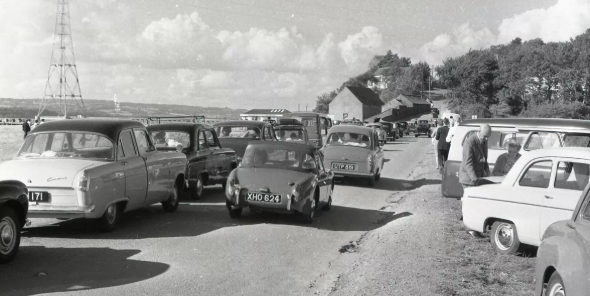
Look at those queue jumpers in the middle!
After much debate, a huge team came together, and a bridge was built. It took 5 years to build, and 6 workmen died on the build. In 1966, (the Beatles were huge) the Queen cut the ribbon on the new Severn Bridge.
The bridge revolutionised the Welsh economy. Thomas Telford was delighted. Or he would have been if he had been alive… It took 142 years for his vision to come to life.
Here is the bridge today - busier than ever. So busy they had to build another one.
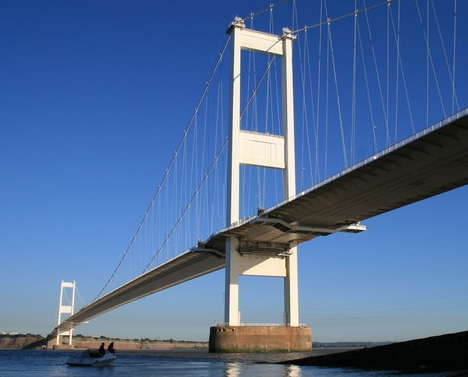
She’s a beaut.
Skip forward in time to a more recent decade.
My boss stood bravely at a conference and pitched an idea for change. It took courage, it was risky, she knew it might not be popular, but could see what was coming down the road, and felt it was the right thing to do. The feedback was immediate and strong.
A resounding “No”.
7 years later, an overconfident Esther joined her team, and as always, asked a lot of annoying questions about the challenges, until the boss finally sketched out her original idea on a big brown piece of wrapping paper on her garden table. It made total sense. The dog barked his approval. It was time to try again.
We worked our socks off with the help of an incredible team, and we turned those sketches into plans. It took 2 more gruelling years of pitching the plan over and over, failing, trying again, taking brutal feedback, rinse and repeat, but it was finally approved. Those 2 years of trying and failing were exhausting. They nearly broke us.
9 years - from first pitching it at a conference, all the way to approval. Not quite 142 years, but it felt like it. It took all of our ideas and collective effort to make it happen.
It started with an idea. A brave and creative one. There are people on your team, with bold, brave ideas. I guarantee it. Those ideas might seem impossible, (the best ideas often look totally unrealistic), but they are always, (always) worth hearing out.
They might spark a better idea, they might inspire someone else to be brave and share their idea, if your culture is right, that one brilliant idea will emerge, and might change everything.
Having a culture that enables people to pipe up, to dream the impossible, to pitch an idea no matter how wild it seems is rare, but you can build it. Create spaces for people to explore and play with ideas.
People are incredible, we are built to be problem solvers, to be creators and imagineers, but you have to create a space for them.
One simple task you can try with your team (if you are brave enough) is to run a sandpit session.

Take your socks off first.
Get your team in a room, pick a challenge, or problem you need to solve. Ask them to imagine there are no constraints, unlimited budget, no rules, and let them just play with it. Don’t interfere. Resist the urge to wander the room. Leave them alone for a while. Go get a coffee.
Then ask them to pitch back every idea they can think of - nothing is off the table, no idea is too wild or unrealistic. You want to hear them all.
Just listen, and encourage everyone who is brave enough to speak. Then let the conversation flow out of your hands, and see what happens.
You will get back ideas of all shapes and sizes. The important part is not to throw away or dismiss any of them - no laughing or scoffing allowed.
Giving everyone the chance to pitch even the most unhinged idea and making them feel heard and respected for it is a healthy culture boost. It tells people without using words that their ideas are welcomed, they are valued.
Some ideas you might implement tomorrow, some might go into the tank for later, some you will never use, and some might feel so huge it would be like building a massive bridge between 2 countries…